
 Slovenščina
 Hrvatski


 Community
CBD Oil for Sleep
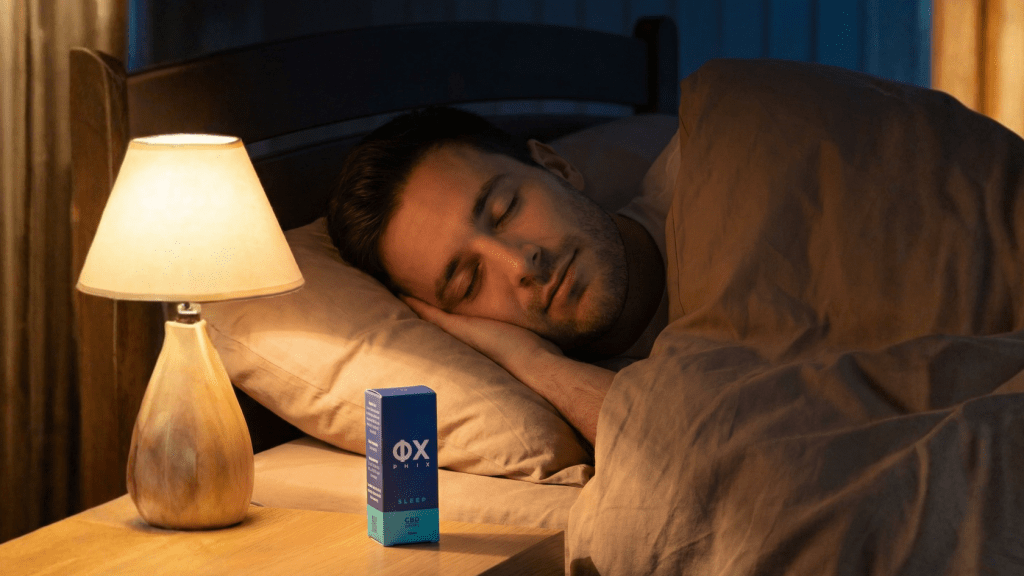
If you struggle to fall asleep, wake up in the middle of the night, or feel unrested in the morning, you’ve probably come across CBD oil as a possible source of support. But can CBD actually help with insomnia? Short answer: CBD oil isn’t a classic sleeping pill, but it can support relaxation, reduce evening tension, and help the nervous system settle more easily, which can indirectly contribute to better sleep. Below is a complete, realistic guide: how CBD works, when to take it, how many drops, what to watch out for, and who it’s suited for.
Key facts about CBD oil for sleep
- CBD most often helps indirectly, through relaxation, reduced stress, and evening calming, not as a classic sedative.
- The effect is individual, what works for one person may be more subtle for another.
- It’s recommended to start with a lower dose and adjust gradually.
- CBD is typically taken 30-60 minutes before bed, as part of an evening routine.
- Product quality, concentration, and lab testing directly affect how reliable the effect is.
- If you’re on medication, pregnant, breastfeeding, or managing a chronic illness, talk to a doctor or pharmacist before use.
Who is this guide for?
This guide is for people dealing with occasional insomnia, pre-sleep stress, evening restlessness, frequent night waking, or generally poor sleep quality. This article is informational and doesn’t replace a medical diagnosis or a professional assessment of a sleep disorder.
What is insomnia, and when does it become a problem?
Insomnia means difficulty falling asleep, waking during the night, waking too early, or feeling unrested despite spending enough time in bed. It differs from occasional, passing sleep trouble: while occasional insomnia is rare and usually resolves on its own, a chronic pattern of poor sleep lasts for weeks or months and deserves professional attention.
The most common symptoms of insomnia
Typical signs include difficulty falling asleep, frequent waking during the night, restless sleep, daytime fatigue, irritability, poorer concentration, and morning grogginess.
The most common causes of poor sleep
Common causes include stress, anxiety, low mood, pain, caffeine, alcohol, nicotine, screens before bed, an irregular schedule, insufficient movement, and a poor sleep environment. This is exactly where CBD most often enters the picture, indirectly, through its effect on stress and evening tension.
Types of insomnia
There’s transient insomnia (lasting a few days, usually due to stress or a change in routine), short-term insomnia (lasting up to a few weeks), and chronic insomnia (lasting months, affecting everyday functioning). For chronic insomnia, consulting a doctor is recommended.
What is CBD, and how does it work in the body?
CBD, or cannabidiol, is a natural compound from the hemp plant. It interacts with the endocannabinoid system (ECS), which is involved in the body’s internal balance, stress response, mood, pain, appetite, and the sleep-wake cycle. CBD doesn’t act as a classic sedative, instead, it supports the body’s overall balance.
The endocannabinoid system and sleep
The ECS is connected to the sleep-wake cycle. Good sleep requires a calm nervous system, a steady rhythm, and less evening tension, exactly the areas the ECS is linked to.
CBD isn’t a classic sleeping pill
This is important to understand: CBD usually doesn’t “force” you to sleep, but it can help the body ease into a calmer state more easily. If someone expects an immediate, powerful sedative effect like a sleep medication, they’ll likely be disappointed, CBD works differently, and more subtly.
How can CBD oil help with insomnia?
CBD most often helps with insomnia indirectly: by reducing stress, supporting relaxation, calming evening tension, and improving a sense of balance. CBD doesn’t treat insomnia and isn’t a substitute for addressing the underlying cause of poor sleep.
CBD and pre-sleep stress
Stress is one of the most common reasons for poor sleep. CBD can support evening calming and reduce a sense of inner tension, making the transition from “wired” to relaxed easier. For daytime stress support, many people choose PHIX® Nerves, part of the Relax collection.
CBD and anxiety that disrupts sleep
Anxiety and constant overthinking often make it harder to fall asleep. In this context, CBD is best understood as a possible support for an evening routine, not a treatment for anxiety.
CBD and pain that affects sleep
Pain, muscle tension, and physical discomfort can disrupt sleep. In this context, CBD can be part of a broader routine for relaxing the body before bed.
CBD and sleep quality
There’s a difference between falling asleep faster and sleeping more soundly. Some users describe fewer night wakings, calmer sleep, and a better feeling in the morning, but these are individual experiences, not a guaranteed effect.
CBD oil for sleep: when to take it?
For an evening routine, CBD is typically taken 30 to 60 minutes before bed. The exact timing depends on the product format, your last meal, and individual sensitivity, and consistency matters more than getting the timing exactly right.
CBD 30 to 60 minutes before bed
This window makes sense because it gives the body time to absorb the CBD and gives you time to gradually wind down before getting into bed.
Should you take CBD every day?
For an evening routine, the effect is often better assessed after several consecutive days of regular use, not after a single dose. It’s recommended to track your body’s response over a longer period.
Can CBD wake some people up?
Reactions vary. In some people, the wrong timing or an unsuitable dose can cause more alertness instead of relaxation. In that case, it’s worth adjusting the timing or lowering the dose.
How to use CBD oil for better sleep?
CBD drops are most commonly used sublingually, and the best results come when CBD is part of a broader evening routine, not the only measure.
Sublingual use of CBD drops
Drop the CBD under your tongue, hold it there for about 60 seconds, then swallow. A simple process that allows for relatively fast absorption.
CBD alongside an evening routine
CBD shouldn’t be the only measure for better sleep. Combine it with less screen time, a quiet environment, reading, breathing exercises or meditation, and a consistent bedtime.
What should you track after taking CBD?
It’s useful to note the time you took it, the number of drops, how long it took to fall asleep, the number of night wakings, and your mood in the morning. This helps you spot the actual pattern of effect over time.
Dosing CBD oil for sleep: how many drops to take?
There’s no universal dose. The ideal amount depends on the product’s concentration, the amount of CBD per drop, body weight, sensitivity, the reason for use, and your experience. The safest approach: start slow and go gradually.
Start with a smaller dose
To begin, choose a lower dose, track your body’s response for a few days, and only then gradually adjust the amount. Avoid aggressively increasing the dose in a short period.
Why does concentration change the number of drops?
5%, 10%, and 20% oil don’t contain the same amount of CBD per drop. So “number of drops” alone isn’t precise enough information, always check the concentration and the amount of CBD in mg.
When should you increase or decrease the dose?
If there’s no change after consistent use, the dose can be gradually increased. If you experience excessive drowsiness, discomfort, or morning grogginess, the dose should be reduced.
Which CBD oil is best for sleep?
The choice depends on whether you’re looking for general relaxation support, a stronger formula for more pronounced stress, or a product with added ingredients like CBN.
Full-spectrum CBD oil
Full-spectrum CBD oil contains CBD along with other natural hemp compounds, including terpenes and trace amounts of other cannabinoids within legally permitted limits. Users often choose it for the broader profile of natural hemp compounds.
CBD oil with melatonin
Melatonin is a hormone involved in regulating the sleep-wake cycle, while CBD primarily supports relaxation and inner balance. These are two different approaches. Note: our PHIX® Sleep formula doesn’t contain melatonin, it combines CBD and CBN instead.
CBD and CBN for sleep
CBN is a cannabinoid frequently used in products designed for an evening routine. PHIX® Sleep contains 10% CBD and 5% CBN, specifically to support relaxation before bed.
CBD and CBG for evening stress
CBG is another cannabinoid sometimes linked to mental relaxation, particularly for people whose main issue is evening stress or tension rather than sleep itself. This is an area that requires further research, and the information should be taken as general and educational.
CBD oil or other natural solutions for sleep?
CBD isn’t necessarily better or worse than other natural approaches, the right choice depends on the cause of the sleep issue.
CBD vs. melatonin
Melatonin supports the sleep-wake rhythm, while CBD primarily supports relaxation, stress reduction, and inner balance. For someone with a disrupted rhythm (due to shift work, for example), melatonin may be more relevant, while CBD is more often chosen for stress and tension.
CBD vs. valerian, chamomile, and lavender
Valerian, chamomile, and lavender are traditional herbal remedies long used for gentle relaxation support. CBD works through a different pathway, the endocannabinoid system, but the goal, supporting calm, is often similar.
Can CBD be combined with an evening routine?
Yes, CBD is best understood as part of a broader routine: a consistent bedtime, less caffeine, less screen time, and a calm environment before bed.
How to increase the effectiveness of CBD for sleep?
CBD usually works better when paired with good sleep habits, rather than as the only measure.
Cut back on caffeine and alcohol in the evening
Caffeine, alcohol, and nicotine can disrupt sleep quality, even with regular CBD use.
Cut back on screens before bed
Blue light and evening screen stimulation can make it harder to fall asleep. Put your phone away, dim the room, and consider reading instead of scrolling.
Establish a stable sleep rhythm
A consistent bedtime and wake time helps the body align with its natural circadian rhythm.
Keep a sleep journal
Tracking your CBD dose, the time you took it, sleep quality, wakings, and morning mood helps you identify what actually works for you.
 User experiences with CBD oil for sleep

Experiences vary from person to person. Some users report falling asleep more easily, fewer night wakings, and calmer sleep, others don’t notice an immediate difference.
What do users notice most often?
Most commonly mentioned: greater relaxation in the evening, less overthinking before bed, a calmer night, and a better feeling in the morning.
Why doesn’t CBD work the same for everyone?
Differences stem from the cause of the insomnia, body weight, sensitivity, product concentration, timing, and lifestyle habits.
Safety, side effects, and who should be cautious
CBD is generally well tolerated, but it isn’t right for everyone and can cause mild side effects.
Possible side effects of CBD oil
Possible side effects include dry mouth, drowsiness, fatigue, digestive issues, and appetite changes. The risk is usually higher with higher doses or lower-quality products.
CBD and medication
If you’re on regular medication, talk to a doctor or pharmacist before using CBD, it can affect how the body metabolizes certain medications.
When should you see a doctor about insomnia?
Professional advice is needed if insomnia lasts more than a few weeks, significantly affects your everyday functioning, or is linked to anxiety, depression, pain, or medication use.
How to choose quality CBD oil for sleep?
Product quality directly affects how reliable the effect is: a clear concentration, lab testing, a known hemp source, a clean formula, a transparent manufacturer, and realistic claims.
Check the CBD concentration
Always check the concentration and the amount of CBD per drop, this is key for proper dosing.
Check the lab test results
A Certificate of Analysis (COA) confirms the content, purity, and safety of the product. Take a look at our approach to testing on our lab page.
Choose a transparent brand
A reliable manufacturer clearly states the ingredients, how to use the product, the source of the raw material, and offers customer support.
Is CBD oil for sleep legal?
The legality of CBD products depends on the source of the raw material, THC content, and compliance with regulations. The product must comply with applicable law in your market.
What should you watch for when buying CBD products?
Legality is closely tied to quality: check the label, ingredients, lab results, clear instructions, and the reliability of the seller.
The most common mistakes when using CBD oil for sleep
Expecting an instant effect
CBD isn’t necessarily an instant fix, some people need time before they notice an effect.
Increasing the dose too quickly
Changing the dose too fast makes it harder to understand what’s actually working for you.
Neglecting sleep hygiene
CBD can’t make up for poor sleep habits like too much screen time, caffeine, or an irregular schedule.
CBD oil for sleep: who might it suit best?
People under stress
CBD may suit people who find it hard to “switch off” in the evening after a demanding day. For daytime stress support, many people choose PHIX® Nerves, part of the Relax collection.
People who wake often during the night
Frequent night waking can stem from stress, habits, environment, or physical discomfort. In this context, CBD is presented as a possible support.
People who want a natural evening routine
CBD can be part of a natural evening routine alongside breathing exercises, reading, quiet, and less screen time.
CBD oil for sleep and products: what to choose?
CBD drops
Drops are the most flexible option for dosing and fitting into an evening routine.
CBD capsules
Capsules are a practical option for people who want a simple, precise way to use CBD without the taste of oil.
CBD products with a sleep-support addition
For an evening routine, many people choose PHIX® Sleep, a formula with CBD and CBN.
Frequently asked questions about CBD oil for sleep
Can CBD oil help with insomnia?
For some people, it can help, mainly through relaxation and reduced tension, but it isn’t a guaranteed solution for everyone.
When should you take CBD oil for sleep?
Usually 30 to 60 minutes before bed, while tracking your body’s individual response.
How many drops of CBD oil should you take before bed?
It depends on the product’s concentration and your personal sensitivity. A low starting dose with gradual adjustment is recommended.
Is CBD oil better than melatonin?
Not necessarily better, just different. Melatonin supports the sleep rhythm, CBD supports relaxation and inner balance. The choice depends on the cause of the issue.
Does CBD oil have side effects?
Yes, mild side effects like dry mouth or drowsiness are possible. If you’re on medication, talk to a doctor first.
How long do you need to use CBD oil to see an effect?
For some, the effect appears quickly, for others, only after several days of regular use. Keeping a sleep journal helps with the assessment.
Can CBD oil be used every night?
Many users include it as part of a daily evening routine, following the manufacturer’s instructions and consulting a professional if they’re on medication.
Can CBD help if I wake up during the night?
It depends on the cause of the waking. If it’s related to stress or tension, CBD may help as part of a broader evening routine.
Conclusion: is CBD oil a good choice for sleep?
CBD oil can help with evening calming, relaxation, and sleep quality, but it isn’t a miracle solution or a substitute for a classic sleeping pill. The best results come from combining it with a good evening routine, proper dosing, a quality product, and realistic expectations.
If you’d like to bring CBD into your evening routine, explore PHIX® Sleep.
Sources, expert review, and safety note
Clinical research on CBD and sleep is still at an early stage, and results aren’t always consistent. A randomized controlled trial published in 2024 tested nightly dosing of 150 mg of CBD for moderate to severe insomnia, finding that results on most sleep measures were similar to placebo, with a somewhat more pronounced effect on overall well-being (Narayan et al., 2024). This finding is a good illustration of why it’s important to avoid overpromising: CBD isn’t a substitute for classic sleep medication, nor a guaranteed solution for insomnia.
A systematic review and meta-analysis published in 2025 in Sleep Medicine Reviews links cannabinoids to improvements in subjective sleep quality, while noting that results are highly heterogeneous and that caution is needed in interpretation, particularly for objective sleep measures (Sleep Medicine Reviews, 2025). An earlier systematic review of preclinical and clinical studies from 2020 also highlights a lack of sufficient high-quality clinical trials specific to diagnosed insomnia (Suraev et al., 2020).
Beyond sleep-specific research, CBD’s general safety profile continues to rely on the World Health Organization’s report (WHO, 2018) and the European Food Safety Authority’s assessment (EFSA, 2022), both of which emphasize the need for caution with higher doses and long-term use.
Safety note: The content of this article is intended for informational purposes only and does not constitute medical advice, diagnosis, or a treatment recommendation. Before using CBD products, particularly if you’re on medication, pregnant, breastfeeding, or managing a chronic illness, please consult a doctor or pharmacist. If insomnia persists over time or significantly affects your daily life, speak with a doctor.
Written by Marketing team.