
 Slovenščina
 Hrvatski
 Community
Natural Remedies for Anxiety: A Guide to Calm & Balance
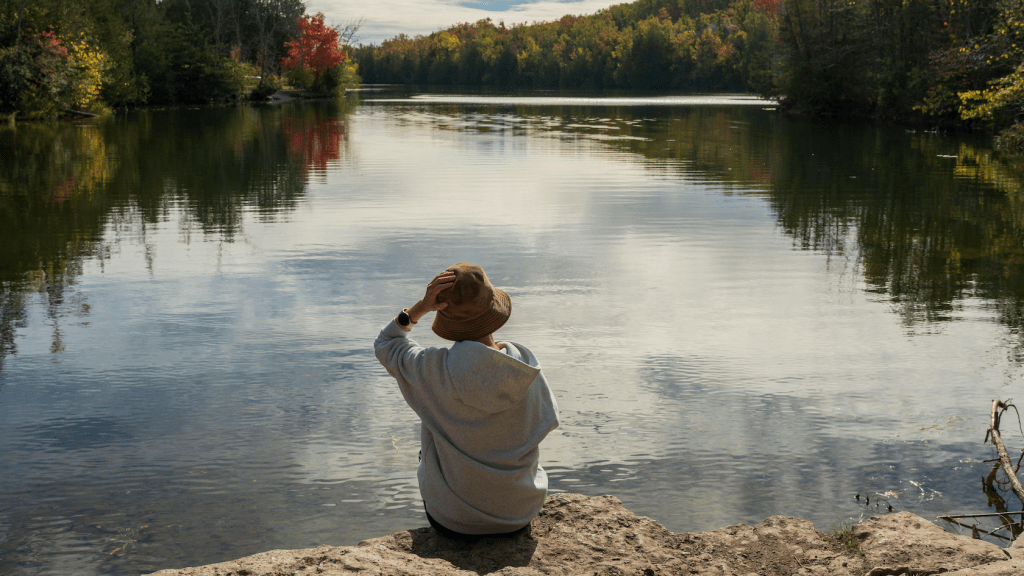
Anxiety and stress are natural responses of the body and mind to the challenges of everyday life. They become a problem only once they start interfering with sleep, work, relationships, or everyday functioning. This guide covers how to recognize the symptoms, the most common causes, natural calming methods, herbal remedies, and supplements, along with clear guidance on when it’s time to seek professional help. The goal isn’t to replace a doctor, but to give you a practical, realistic overview of what you can try today.
What will you learn in this article?
You’ll learn how to recognize the symptoms of anxiety and stress, which natural methods can help, what you can do in 5, 10, or 30 minutes, which supplements are most commonly mentioned for calming, and when self-help isn’t enough anymore.
What are anxiety and stress?
Stress is the body’s response to a demand, whether external (a deadline, a conflict, finances) or internal (perfectionism, worry). Anxiety is a broader term: a feeling of worry, tension, or fear that can appear even without a clear external trigger. In everyday speech, anxiety and worry are often used interchangeably.
How long does anxiety last, and what is it, really?
For some people, anxiety is brief and passes on its own, for others, it recurs or becomes chronic. How long it lasts doesn’t depend only on the external event, it also depends on thought patterns, lifestyle, sleep quality, stress levels, and the support a person has.
When do stress and anxiety become a problem?
Occasional worry isn’t necessarily a problem. The situation becomes more serious when symptoms persist over time and start affecting work, relationships, sleep, diet, concentration, or overall quality of life.
Symptoms of anxiety and stress
Symptoms vary from person to person and can be physical, mental, and behavioral. This overview isn’t meant for self-diagnosis.
Symptoms of anxiety
Typical signs include restlessness, a sense of fear or dread, a racing heart, fast or shallow breathing, trouble concentrating, “brain fog,” muscle tension, digestive issues, tingling, irritability, and insomnia.
Physical symptoms of anxiety
A racing heart, muscle tension, digestive issues, sweating, trembling, a tight feeling in the chest, and difficulty breathing.
Mental symptoms of anxiety
Excessive worry, a sense of danger, trouble concentrating, fear of losing control, and repetitive thoughts.
Stress often “hides,” learn to recognize it
Stress often shows up indirectly: headaches, skin issues, fatigue, weight changes, a worse mood, irritability, or a feeling of inner tension. Many people only recognize stress once physical symptoms appear.
The most common causes and triggers of anxiety
Anxiety rarely has a single cause. It can be linked to genetics, environment, traumatic experiences, chronic stress, sleep, diet, hormonal changes, life events, or learned response patterns.
The difference between a cause and a trigger
A trigger is the immediate event that sets off a reaction, a work meeting, for example. A deeper cause might be fear of criticism, perfectionism, or a past negative experience. Understanding this distinction helps you address the problem long-term, not just the immediate symptoms.
Why does anxiety come back?
Anxiety often returns when only the symptoms are treated, not the deeper causes: lifestyle habits, thought patterns, sleep quality, chronic overload, or emotional triggers.
How to treat anxiety naturally
Natural methods can help ease symptoms, but they aren’t always a substitute for professional help. The best results come from a holistic approach: diet, movement, breathing, sleep, relaxation, herbal remedies, conversation, and lifestyle adjustments.
1. Eat a balanced diet
Diet directly affects blood sugar, energy, and mood. Regular meals, vegetables, fruit, quality protein, healthy fats, and enough fluids can help stabilize energy and reduce feelings of restlessness.
Cut back on sugar, caffeine, and alcohol
Sugar, caffeine, and alcohol can, in some people, worsen feelings of restlessness, a racing heart, or sleep problems.
2. Strengthen mind and body through exercise
Physical activity is one of the most effective natural methods for reducing stress. You don’t need to start intensely, walking, light exercise, or stretching can make a significant difference.
Take a walk
A short walk is a quick way to step away from a stressful situation, lift your mood, and clear your thinking.
Exercise regularly
Regular exercise supports greater resilience to stress and better mental health over the long run.
3. Calm your mind through deep breathing
Anxiety is closely tied to shallow breathing. Slower, deeper breathing helps the body shift from a state of alarm into calm.
Try the 4-7-8 breathing technique
Inhale through your nose for 4 seconds, hold for 7 seconds, exhale through your mouth for 8 seconds. Start slowly and stop if it feels uncomfortable.
4. Meditation and yoga: try relaxation techniques
Meditation and yoga combine breathing, focus, relaxation, and body awareness. They don’t work as a quick fix, but as support for calming the mind over time.
Practice mindfulness
Mindfulness means directing your attention to the present moment: a body scan, conscious breathing, and observing thoughts without judgment.
Try yoga
Yoga can help release physical tension and calm the nervous system.
5. Prioritize a good night’s rest
Sleep plays a major role in anxiety and stress. A consistent bedtime, less screen time in the evening, a darkened room, a calm routine, and writing down worries before bed can all help.
Sleep hygiene
A consistent evening routine, avoiding caffeine in the late afternoon, winding down before bed, and a cooler, darker bedroom.
6. Massage your muscles and learn the art of self-massage
Emotional tension often shows up as tight muscles. Massage, self-massage, a warm bath, or releasing tension in the shoulders, neck, and jaw can help you unwind.
Release muscle tension
Releasing muscle tension can reduce a sense of physical restlessness. For local relief after a demanding day, some people also reach for products like Dr. Kent Sports Gel.
Relax in a warm bath
A warm bath can serve as a relaxation ritual that helps the body shift into a calmer state.
7. Write down what’s bothering you
Journaling helps organize your thoughts and reduce a sense of inner chaos. Ask yourself simple questions: What’s worrying me? What can I control? What’s the next small step?
8. Talk about it
Talking to someone you trust can reduce a sense of isolation. When talking to people close to you isn’t enough, a therapist can be the next step.
9. Clean and organize your space
Clutter often heightens a sense of overwhelm. Start with one surface, one room, or just 10 minutes of tidying up.
How to reduce stress in 5, 10, or 30 minutes
This section is for anyone who needs quick relief, structured around the time you have available.
How to reduce stress in five minutes or less
These methods won’t eliminate stress entirely, but they can interrupt the stress response for a while.
Quick relaxation tips
A smile, an upright posture, turning off notifications, a hug, music, a brief break from your screen.
Accept the stress
Simply naming the feeling can sometimes reduce your inner resistance to it.
Have a calming tea
Tea as a calming ritual: chamomile, lavender, passionflower, or lemon balm.
Try aromatherapy
A brief application of essential oils via a diffuser, a tissue, or a bath.
Stretch at your desk
Stretch your neck, shoulders, back, and wrists.
How to reduce stress in 10 minutes
Ten minutes is enough for a quick reset of the nervous system.
Chew gum
A small trick for releasing tension.
Take a walk
A short walk as a physical and mental break.
Practice mindfulness
A quick exercise: 5 things you can see, 4 things you can hear, 3 things you can feel.
Write down what’s bothering you
A three-minute note of your worries.
Try the 4-7-8 breathing technique
Use this quick, effective technique again.
How to reduce stress in 30 minutes
For deeper relaxation, suited to the end of the day, a weekend, or moments of greater overload.
Exercise regularly
Lighter exercise, walking, cycling, yoga, or stretching.
Relax in a warm bath
Paired with muscle relaxation and an evening routine.
Clean and organize your space
A method for regaining a sense of control.
Release muscle tension
Massage, a foam roller, gentle stretching, or releasing tension in the shoulders.
Herbal remedies and natural supplements for anxiety
This section calls for particular caution. Herbal remedies and supplements are often used as support, but they aren’t right for everyone. Interactions with medication are possible, and extra caution is needed during pregnancy, breastfeeding, and chronic illness.
Herbal remedies for anxiety
Chamomile
A traditional plant for evening calm.
Lavender
Linked to aromatherapy, relaxation, and evening routines.
Passionflower
Often used for a sense of inner tension.
Valerian
Most commonly mentioned in the context of sleep and calming.
Ashwagandha
An adaptogenic herb linked to stress. Caution is needed, particularly during pregnancy, breastfeeding, and certain health conditions.
St. John’s Wort
A specific warning: St. John’s Wort can significantly interact with medications, including antidepressants and hormonal contraceptives.
Natural supplements for easing anxiety
Commonly mentioned supplements include magnesium, vitamin B12, L-theanine, omega-3 fatty acids, 5-HTP, GABA, L-tryptophan, and SAM-e. A systematic review published in 2024 in the journal Cureus analyzed 15 clinical trials of magnesium for anxiety and sleep and found mostly positive results, particularly in people with low magnesium levels (Rawji et al., 2024). Supplements are a support, not a solution for everyone, and their effectiveness varies from person to person.
For anyone who wants to explore CBD as part of a daily calming routine, PHIX® Nerves is designed to support a sense of balance. A review of randomized clinical trials from 2024 points to a possible role for CBD in reducing anxiety compared with placebo, with a need for further research (Coelho et al., 2024).
Should you talk to a doctor before taking herbal remedies and supplements?
Yes, this is especially important if you’re taking medication, pregnant, breastfeeding, managing a chronic illness, have a psychiatric diagnosis, or experience more pronounced anxiety symptoms. Herbal remedies and supplements aren’t automatically safe just because they’re natural.
Aromatherapy for calming body and mind
Aromatherapy is used in several ways: through a diffuser, a bath, inhalation, or applying diluted oils to the skin.
Bring the scent of aromatherapy into your home
Essential oils like lavender, bergamot, ylang ylang, and sandalwood can help create a relaxation ritual.
How to use essential oils safely
Always dilute essential oils before applying them to skin. Extra caution is needed around children, pregnant women, people prone to allergies, and pets.
Anxiety medication, antidepressants, and natural alternatives
This section calls for exceptional caution. Anxiety medication is always prescribed by a doctor, and this article doesn’t encourage stopping treatment or offer instructions for self-treatment.
Anxiety medication
Anxiety medication is prescribed by a doctor after an assessment. It can help in certain cases, but it requires professional supervision.
Why aren’t antidepressants always a permanent solution?
Medication can help, but for many people, it’s just as important to work on lifestyle, psychotherapy, sources of stress, sleep, and emotional patterns. Medication tends to work best combined with other approaches.
Over-the-counter antidepressants?
Genuine antidepressants generally aren’t available over the counter. People using this term are often referring to natural supplements like St. John’s Wort, SAM-e, omega-3 fatty acids, 5-HTP, or L-tryptophan. These supplements can also interact with other medications, so caution is warranted.
Best over-the-counter calming pills
This is a common search, but it’s important to distinguish medication from supplements. Magnesium, L-theanine, valerian, passionflower, chamomile, and ashwagandha are mentioned as possible support, not a guaranteed solution.
Psychotherapy, hypnotherapy, and working on the root causes of anxiety
Natural methods can help with symptoms, but for deeper or recurring issues, talking to a professional is often important too.
What’s the right approach?
The approach is individual. For some, movement helps most, for others, therapy, and for others still, a combination of sleep, diet, breathing, medication, and professional support.
How does hypnotherapy help with anxiety?
Hypnotherapy is sometimes used as a complementary approach that can help some people work through subconscious patterns, triggers, and reactions. Hypnotherapy doesn’t cure anxiety, but it can be part of a broader therapeutic approach.
The difference between self-help and professional help
Self-help techniques help with milder stress and everyday support. Professional help becomes important for stronger, longer-lasting, or limiting symptoms.
Natural remedies for anxiety during pregnancy
Pregnant women shouldn’t take herbal remedies, supplements, or essential oils on their own without first consulting a doctor. The focus should be on safer methods: conversation, rest, gentle movement, breathing, journaling, and education.
Talk about it
Talking with a partner, someone close, a midwife, a doctor, or a therapist can help ease the load.
Find safe relaxation through movement
Walking, gentle stretching, or prenatal yoga can help, always with a doctor’s approval.
Get enough rest
Sleep and rest play a major role in reducing overload during pregnancy.
Keep a journal
Writing helps organize worries and prepare questions for your doctor.
Empower yourself with knowledge
Prenatal classes, talking about labor, and staying informed can reduce fear of the unknown.
Natural remedies for anxiety in children
Children often can’t precisely describe anxiety, so it can show up as crying, irritability, stomachaches, sleep problems, avoidance, or restlessness.
What are the signs of anxiety in children?
Fear, avoiding certain situations, sleep problems, stomachaches, crying, restlessness, and a need for constant reassurance.
Yoga and breathing exercises
Simple breathing games, slow breathing, and gentle movement adapted for children.
Art therapy
Drawing, coloring, creating, and play as a way to express feelings.
Deep pressure therapy
A hug, a heavier blanket, or gentle pressure can help with calming, provided the child feels comfortable and safe.
When to seek professional help
Professional help is needed when symptoms persist over time, worsen, cause panic attacks, or interfere with sleep, work, relationships, and everyday life.
When isn’t self-help enough?
Examples include: a person can’t function normally, experiences frequent panic attacks, avoids everyday situations, has pronounced insomnia, a sense of hopelessness, or very intense physical symptoms.
Who should you reach out to?
A family doctor, psychologist, psychotherapist, or psychiatrist. Seeking help is a sign of responsibility toward yourself, not weakness.
What can your next step be?
You don’t need to change everything at once. Pick one or two methods you can try today: a short walk, a breathing exercise, less caffeine, an evening routine, or writing down your worries.
Start with small changes
Small, consistent changes are more realistic and sustainable than a complete lifestyle overhaul overnight.
Track what helps you
Track your sleep, stress, diet, movement, and symptoms. This makes it easier to recognize which methods actually work for you.
Frequently asked questions
What’s the best natural remedy for anxiety?
There isn’t one single best option for everyone. A combination of sleep, movement, breathing, diet, stress reduction, and professional support when needed tends to work best.
How can I reduce stress the fastest?
Breathing, a short walk, stretching, turning off notifications, writing down your worries, or talking to someone you trust.
What are the symptoms of anxiety?
Physical symptoms include a racing heart, muscle tension, and digestive issues, while mental symptoms include excessive worry, restlessness, and trouble concentrating.
Is there anxiety medication available without a prescription?
Genuine anxiety medication requires a doctor’s prescription and supervision. What’s often called “over-the-counter medication” in conversation is usually supplements, which aren’t the same as medication.
Are herbal supplements safe?
Some can be helpful, but they aren’t right for everyone and can interact with medications. Always check the ingredients and consult a professional if you’re on medication.
Can anxiety be treated without medication?
For milder forms, lifestyle changes and therapy can often help. For more pronounced symptoms, a professional treatment plan is usually needed, which sometimes includes medication.
When should I seek professional help?
For long-lasting symptoms, worsening conditions, panic attacks, pronounced insomnia, avoidance of everyday situations, or significant distress.
Conclusion
Anxiety and stress are part of the human experience, and their intense or long-lasting effects aren’t something to endure in silence. Natural methods, from breathing and movement to sleep, herbal remedies, and organizing your space, can help with managing symptoms day to day. For more pronounced or persistent difficulties, professional support remains a key and valuable step.
Medical disclaimer
The content of this article is intended for informational purposes only and does not constitute medical advice, diagnosis, or a treatment recommendation. Before using herbal remedies, supplements, or CBD products, particularly if you’re taking medication, pregnant, breastfeeding, managing a chronic illness, or have a psychiatric diagnosis, please consult a doctor or pharmacist. If anxiety symptoms persist over time or significantly affect your daily life, speak with a doctor.