Slovenščina


 Community
Best Moisturizing Face Cream (2026): How to Choose the Right One for Your Skin Type
Choosing the best moisturizing face cream is often more complicated than it seems at first. Your skin can be dry, tight, sensitive, or on the opposite end oily and prone to imperfections. The wrong cream can clog pores, cause further dehydration, or disrupt your skin’s natural balance.
In this guide, you will learn which moisturizing face cream is best for your skin type, which ingredients actually work, and how to choose the right texture for optimal hydration.
What is the best moisturizing face cream?
For dry skin: a rich cream with hyaluronic acid, ceramides, and glycerin that retain moisture and restore the skin barrier
For oily skin: a lightweight gel cream or fluid, oil-free and non-comedogenic, with niacinamide or hyaluronic acid
For combination skin: a balanced cream with a light texture that hydrates dry areas without weighing down the T-zone
For sensitive skin: a minimal formula without fragrances, alcohol, or irritating ingredients, with soothing components like panthenol or ceramides
For mature skin: a nourishing cream with anti-aging ingredients such as retinol, peptides, hyaluronic acid, and vitamin C, plus SPF for protection
How does a moisturizing face cream work?
A moisturizing cream does not work in just one way. Its role is to hydrate the skin, retain moisture, and protect its natural barrier.
Hydration vs. moisture retention
Hydration means adding water to the skin. Moisture retention means keeping that water in the skin. A good moisturizer does both, first delivering hydration, then preventing moisture loss.
Locking in moisture
Ingredients such as ceramides and oils create a protective layer on the skin’s surface. This layer acts like a shield, preventing water evaporation and keeping the skin soft and supple.
Skin barrier protection
The skin barrier is the skin’s natural defense system. When damaged, the skin loses moisture faster and becomes more sensitive. A good moisturizer helps restore this barrier, reduces irritation, and improves resilience.
When all three functions work together, the skin remains balanced, hydrated, and protected throughout the day.
How to choose the best moisturizer based on your skin type
Moisturizer for dry skin
Dry skin often feels tight, flaky, and uncomfortable. It needs rich, nourishing textures that restore and protect.
Choose a cream with ceramides, shea butter, and other lipids that help rebuild the skin barrier and prevent moisture loss. These formulas soften the skin and restore comfort.
Discover MIKKA® solutions for dry skin.
Moisturizer for oily skin
Oily skin is often associated with clogged pores, shine, and breakouts. One of the biggest mistakes is skipping moisturizer, which can actually worsen the condition.
Choose a lightweight gel or fluid that is oil-free and non-comedogenic. This texture hydrates the skin without clogging pores and helps maintain balance.
Moisturizer for combination skin
Combination skin requires balance. The T-zone is usually oily, while the cheeks are dry.
The best choice is a lightweight yet nourishing formula that hydrates dry areas without adding excess shine.
Moisturizer for sensitive skin
Sensitive skin reacts quickly to external factors and needs simple, gentle formulations.
Choose a cream with minimal ingredients, free from fragrances and alcohol. Ideally, it should be dermatologically tested and include soothing ingredients.
Moisturizer for mature skin
Mature skin loses elasticity, becomes thinner, and tends to be drier, so it requires targeted care.
Choose a cream with anti-aging ingredients such as retinol, peptides, and hyaluronic acid to support firmness and hydration.
SPF is also essential, as UV exposure accelerates skin aging.
Discover MIKKA® anti-age care.
What ingredients should a good moisturizer contain?
Hyaluronic acid
Hyaluronic acid is one of the most effective ingredients for hydration. It acts like a magnet for water, binding large amounts of moisture and keeping it in the skin. This results in smoother, plumper, and more refreshed-looking skin.
Glycerin
Glycerin is a highly effective humectant that draws moisture into the skin and helps retain it. It improves elasticity and prevents dryness.
Ceramides
Ceramides are lipids naturally found in the skin that act as “glue” between cells. They restore and protect the skin barrier, helping prevent moisture loss and irritation.
SPF
Sun protection is essential in daily skincare. It protects against UV rays that cause premature aging, pigmentation, and skin damage. A moisturizer with SPF helps maintain youthful skin.
CBD (cannabidiol)
CBD, found in MIKKA® formulations, has soothing properties and helps regulate the skin’s response to stress and external factors. It is especially beneficial for sensitive, irritated, or acne-prone skin.
Most common mistakes when choosing a moisturizer
Wrong skin type
Using the wrong cream can worsen skin condition. A heavy cream can clog pores on oily skin, while a light gel may not be enough for dry skin.
Too aggressive ingredients
Using strong actives like acids or retinol without proper hydration can damage the skin barrier, leading to irritation and dryness.
Ignoring SPF
UV exposure is one of the main causes of premature aging. A moisturizer without SPF does not provide complete protection.
Wrong texture
Texture matters as much as ingredients. Heavy formulas can overwhelm the skin, while overly light ones may not provide enough hydration.
How to properly use a moisturizer
The right cream is only half the story. Results depend on how you use it.
Amount
Less is more. A pea-sized amount is enough for the entire face.
When to apply
Apply moisturizer to slightly damp skin right after cleansing to lock in hydration. Use it morning and evening.
Combining with serums
Apply serum first, then moisturizer. The cream helps seal in active ingredients and improves effectiveness.
Day vs. night care
During the day, use a lighter formula with SPF. At night, use a richer cream to support skin regeneration.
Recommended moisturizing face creams (2026)
For dry skin
Choose a rich moisturizing cream with ceramides, shea butter, and hyaluronic acid.
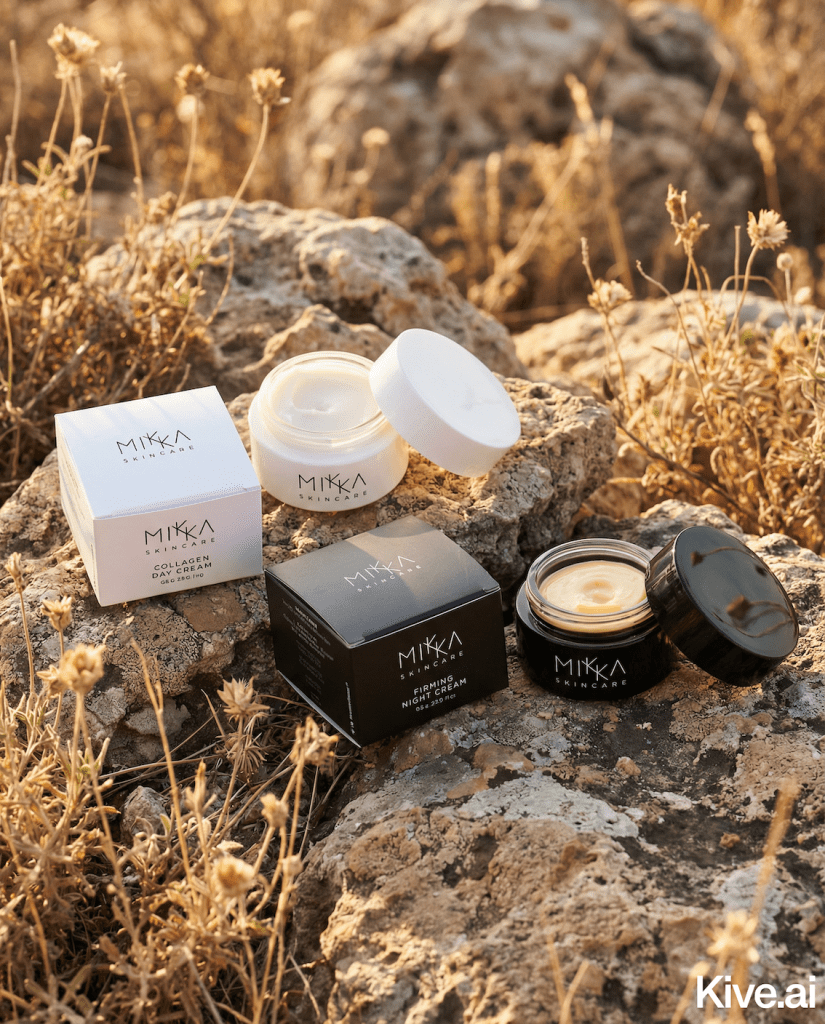
If you are looking for a proven solution, MIKKA® night cream is natural, made in Slovenia, dermatologically tested, and awarded an ELLE quality badge.
For oily skin
The best choice is a lightweight gel or fluid, oil-free and non-comedogenic.
Discover lightweight MIKKA® daily care.
For sensitive skin
Choose a minimal formula without fragrances or alcohol.
Choose gentle MIKKA® care.
Frequently asked questions
Is moisturizer necessary for oily skin?
Yes, oily skin still needs hydration.
When should I use a moisturizer?
Morning and evening after cleansing.
Can I use the same cream in winter and summer?
It is recommended to adjust texture based on the season.
Expert opinion
Dermatologists agree that a healthy skin barrier is the key to balanced skin.
Without proper hydration, the skin loses moisture, becomes sensitive, and shows signs of aging faster.
Consistent use of moisturizer, choosing the right ingredients, and daily SPF are essential.
A good moisturizer supports long-term skin health, not just surface appearance.
Conclusion
The best moisturizing face cream is not one universal product, but the one that suits your skin.
Once you understand your skin type and know which ingredients work, the decision becomes simple.
Choose a cream that works with your skin, not against it.
Explore MIKKA® sets.