


 Community
Best Face Cream After 50: What Your Skin Really Needs
As you enter your 50s, your skin begins to change more noticeably. Hormonal shifts, slower regeneration, and reduced collagen production can make the skin thinner, drier, and less elastic. This is why your usual skincare routine may no longer deliver the same results.
Many women start searching for the best face cream after 50 to maintain healthy, hydrated, and youthful-looking skin. The right skincare can help improve hydration, reduce the appearance of wrinkles, and support overall skin vitality.
In this guide, you will learn how skin changes after 50, which ingredients matter most, how to choose the right cream for your skin type, and which mistakes to avoid.
How Skin Changes After 50
Reduced Collagen Production
Collagen is a key protein that gives skin structure, firmness, and volume. As production slows down with age, skin becomes less firm, and wrinkles become more visible.
Loss of Elasticity
Lower elastin levels reduce the skin’s ability to bounce back, leading to sagging and more defined wrinkles.
Increased Dryness
After menopause, the skin produces fewer natural lipids, which can lead to dryness and sensitivity. Proper hydration becomes essential.
Age Spots and Pigmentation
Dark spots may appear due to long-term sun exposure and changes in pigmentation processes.
Slower Skin Regeneration
Skin renewal slows down, which can result in a dull and uneven complexion. A well-formulated face cream after 50 can help support this process.
Key Ingredients in the Best Face Cream After 50
Retinol
A derivative of vitamin A that supports cell turnover and collagen production, helping reduce wrinkles and improve skin texture.
Hyaluronic Acid
A powerful hydrating ingredient that helps retain moisture and gives the skin a plump, smooth appearance.
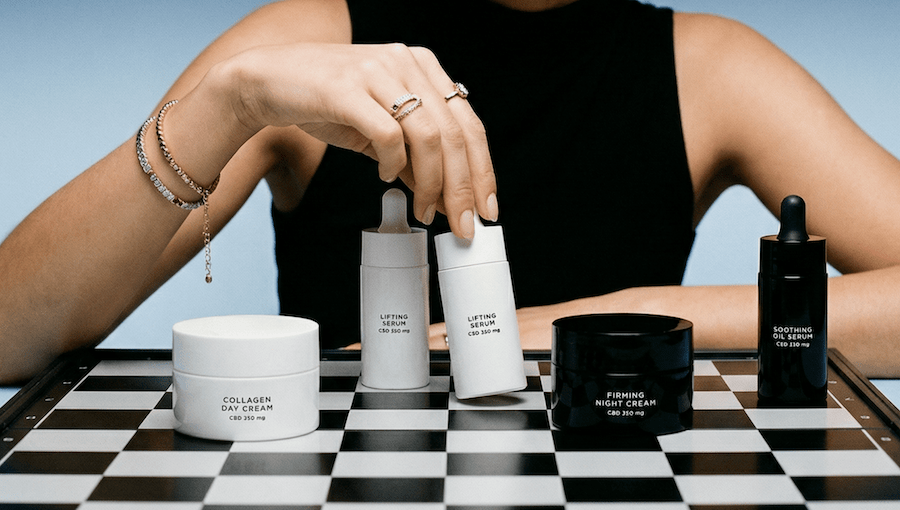
Found in products like MIKKA® Lifting Serum, it supports hydration and skin smoothness.
Peptides
Short chains of amino acids that help stimulate collagen production and improve elasticity.
Vitamin C
A strong antioxidant that helps protect the skin, boost radiance, and reduce the appearance of pigmentation.
Ceramides
Lipids that strengthen the skin barrier and help retain moisture, especially important for mature skin.
Coenzyme Q10
An antioxidant that supports skin cell energy and helps maintain a healthy, vibrant look.
Collagen
While it does not deeply penetrate the skin, it helps improve hydration and smoothness.
MIKKA® Day Cream includes collagen for added support.
Antioxidants
Help protect the skin from environmental stress such as UV rays and pollution, supporting a more even and healthy complexion.
How to Choose a Face Cream Based on Your Skin Type
For Dry Skin
Choose rich, nourishing formulas with hyaluronic acid, ceramides, and natural oils to restore moisture.
For Sensitive Skin
Look for gentle formulations without harsh fragrances, enriched with soothing ingredients like niacinamide and antioxidants.
For Combination Skin
Opt for lightweight yet hydrating creams that balance both dry and oily areas.
For Wrinkle-Prone Skin
Select formulas with active ingredients like retinol, peptides, and vitamin C to support collagen and improve elasticity.
Common Mistakes When Choosing a Face Cream After 50
Many people make similar mistakes that reduce skincare effectiveness. One of the most common is using creams that are too light and do not provide enough hydration. Another major mistake is ignoring SPF protection, as sun exposure accelerates aging and pigmentation.
Overusing strong active ingredients, such as high concentrations of retinol or acids, can also irritate the skin and weaken its barrier. Additionally, combining incompatible ingredients may reduce effectiveness or increase sensitivity.
To achieve the results promised by a quality anti-aging face cream, it is essential to choose products carefully and tailor them to your skin’s needs.
How to Use Face Cream After 50 Correctly
Morning Skincare Routine
Cleanse your skin gently, apply a hydrating or antioxidant serum, follow with a face cream, and always finish with SPF protection.
For a simple routine, consider the MIKKA® Morning Bundle.
Evening Skincare Routine
In the evening, cleanse your skin, apply targeted serums, and finish with a nourishing night cream to support overnight regeneration.
For complete care, choose the MIKKA® Night Bundle.
How Much Cream to Use
A pea-sized amount is usually enough for the entire face. Using more does not improve results and may overload the skin.
How to Combine Serum and Cream
Always apply serum first, followed by cream to lock in moisture and protect the skin.
Additional Tips for Healthy Skin After 50
Sun Protection
Daily SPF is one of the most important steps in preventing wrinkles and pigmentation.
Hydration
Drink enough water and use hydrating skincare to maintain moisture balance.
Nutrition
A diet rich in vitamins, antioxidants, and healthy fats supports skin regeneration and overall skin health.
Consistency
Regular skincare is key to long-term results and visible improvements.
FAQ
What is the best face cream after 50?
A cream that combines hydration, antioxidants, and collagen-supporting ingredients like retinol and peptides.
Does retinol help with wrinkles after 50?
Yes, it supports cell renewal and improves the appearance of fine lines.
Is hyaluronic acid good for mature skin?
Yes, it helps retain moisture and improves hydration.
How often should you use face cream?
Twice daily, morning and evening.
Do you need a night cream after 50?
Yes, night creams support skin regeneration during sleep.
Conclusion
Choosing the best face cream after 50 can significantly improve your skin’s appearance. The right ingredients, a consistent routine, and products tailored to your skin type are essential for maintaining hydration, elasticity, and a healthy glow.
For a simple and effective solution, explore MIKKA® skincare products, designed to support hydration, protection, and the needs of mature skin.
Prepared by the marketing team.