
 Slovenščina
 Hrvatski


 Community
Best knee cream, which one really helps with knee pain?

Knee pain is one of the most common problems related to movement, sports, and everyday strain. Whether it is a sore knee after exercise, knee osteoarthritis, overuse, or stiffness, many people look for the best knee cream to help reduce discomfort and improve mobility.
There are countless products on the market, from cooling knee gels to warming joint creams and formulas with glucosamine, arnica, menthol, or CBD. That is why it is important to understand how knee creams work, which ingredients are most beneficial, and how to choose the right product based on the type of pain.
Why Does Knee Pain Happen?
The knee joint is one of the most heavily used joints in the body, which is why knee pain is such a common issue among people of all ages. Problems can develop because of sports activities, prolonged standing, overuse, injuries, or degenerative joint changes. Since the knee carries a large amount of body weight every day and is involved in almost every movement, it is highly sensitive to wear and different forms of inflammation.
Knee pain can appear suddenly or gradually and may significantly affect mobility and quality of life. Some people only feel pain during movement, while others also experience discomfort at rest. Symptoms are often accompanied by knee swelling, stiffness, cracking sounds in the joint, or reduced knee stability. That is why it is important to understand the cause of the problem and choose the right support, such as a knee gel, joint cream, or knee pain cream.
Knee Injuries
Knee injuries are one of the most common causes of acute joint pain. They often happen during sports, sudden movements, falls, or heavy strain on the knee. The most common injuries involve ligaments, the meniscus, and muscle overload around the joint.
Symptoms include knee pain, swelling, instability, difficulty walking, and reduced mobility. For milder injuries, local support with a cooling knee gel may help create a cooling and refreshing sensation. Many people also use knee pain cream for support after physical activity or sports.
However, it is important to understand that stronger injuries require professional medical attention. If pain worsens or the knee becomes unstable, it is recommended to visit a physiotherapist or doctor.
Osteoarthritis and Degenerative Conditions
Knee osteoarthritis is one of the most common causes of chronic joint pain, especially in older adults. It involves gradual cartilage wear inside the knee joint, which increases friction between the bones.
As a result, symptoms such as knee pain, stiffness, reduced mobility, and discomfort while walking or standing may appear. Symptoms are often worse in the morning or after longer periods of inactivity.
Many people use knee creams or joint gels as daily support for the joint. Formulas with glucosamine, menthol, arnica, or CBD are especially popular because they help create a feeling of relief and relaxation.
Although knee cream cannot reverse osteoarthritis, regular use may help improve movement comfort and support daily joint mobility.
Overuse
Knee overuse is very common among people who walk, run, cycle, or perform physically demanding work. Since the knee joint is constantly under pressure during these activities, muscles, ligaments, and surrounding tissues may become irritated.
This may lead to knee pain, tired legs, stiffness, or pressure inside the joint. Problems often develop gradually and are not connected to a single injury.
In cases of overuse, recovery, stretching, physiotherapy, and the use of knee pain cream may help. Many users apply cooling knee gel after sports activities because it creates a refreshing sensation and helps tired legs feel lighter.
For chronic overuse, it is also important to reduce excessive strain and support proper movement and muscle balance around the knee.
Knee Inflammation
Knee inflammation may cause pain, swelling, warmth, and reduced joint mobility. It often appears because of overuse, injuries, or degenerative changes, but it can also result from irritation of soft tissues around the joint.
Many people reach for cooling products because cooling knee gels help create a cooling sensation and reduce feelings of swelling. Formulas with menthol and other cooling ingredients are especially popular for refreshing tired areas.
It is important to understand that inflammation often requires more than just topical care. Alongside knee creams, rest, proper recovery, reduced strain, and sometimes physiotherapy are also important. If swelling or pain lasts for a longer period, professional advice is recommended.
Most Common Symptoms of Knee Pain
Common symptoms include:
- knee pain while walking
- pain when bending the knee
- knee swelling
- knee stiffness
- cracking sounds in the joint
- feeling of warmth or inflammation
- reduced mobility
- leg pain after activity
- feeling of knee instability
Symptoms can help determine whether you may benefit more from cooling, warming, physiotherapy, or local support with a knee cream.
How Does Knee Cream Work?
Knee cream works locally, directly on the area where knee pain, stiffness, swelling, or discomfort appears. Its main advantage is that active ingredients work exactly where they are applied.
That is why many people use knee creams during sports strain, tired joints, osteoarthritis, or daily overuse.
The effect mainly depends on the ingredients inside the formula:
- Menthol creates a cooling sensation and quick pain relief
- Camphor supports warmth and circulation
- Glucosamine is associated with joint support and mobility
- Arnica is popular for muscle fatigue and physical strain
- CBD is commonly linked with recovery and post activity support
A good knee cream often combines multiple ingredients for cooling, relaxation, and joint support.
Anti Inflammatory Support
Painful knees are often associated with sensitivity, tension, or inflammation. That is why many users search for knee creams with natural anti inflammatory ingredients.
Products often include menthol, arnica, camphor, and CBD to help create a feeling of relief after sports or physical activity.
Menthol is especially popular in cooling knee gels because it quickly cools and refreshes the area. Arnica has traditionally been used for muscle fatigue and bruising. CBD is increasingly popular in topical products because users associate it with recovery and support after physical strain.
Improved Circulation
For knee stiffness and chronic discomfort, improved circulation may also be important. Certain ingredients create a warming sensation that may help relax muscles around the joint.
Camphor is one of the best known warming ingredients used in joint and muscle products. Warming effects are often useful before exercise or physiotherapy because they may improve the feeling of mobility.
However, warming knee creams are usually not the best choice for acute swelling or strong inflammation. In those situations, cooling knee gel with menthol is often more suitable.
Cooling or Heating, Which Should You Choose?
Cooling and heating serve different purposes when it comes to knee pain.
Cooling knee gels with menthol are usually better for:
- swelling
- sports overload
- hot or inflamed joints
- tired legs after activity
Warming creams are often more suitable for:
- stiffness
- osteoarthritis
- chronic discomfort
- reduced mobility
- tight muscles
Many users combine both approaches depending on the condition of their knees.
How to Choose the Best Knee Cream?
The best knee cream depends on the type of problem you are dealing with. Some users want fast relief after physical activity, while others need long term daily support for chronic stiffness or osteoarthritis.
When choosing a knee cream, consider:
- ingredients
- texture
- cooling or warming effect
- absorption speed
- intended use
Based on the Type of Pain
For acute sports overload or swelling, cooling knee gels with menthol are often preferred.
For stiffness, osteoarthritis, or chronic joint discomfort, warming creams with camphor, glucosamine, or CBD may be more suitable.
Key Ingredients
Popular ingredients in knee creams include:
- Menthol for cooling relief
- Camphor for warming sensation
- Arnica for muscle recovery
- Glucosamine for joint support
- CBD for recovery and relaxation
Gel vs Cream
Knee gels are lighter, absorb faster, and are usually associated with cooling effects.
Creams and ointments are richer, more suitable for massage, and often preferred for long term use and stiffness.
TOP 3 Knee Creams
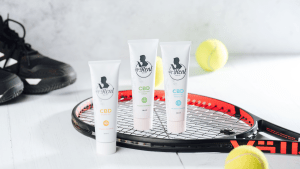
Dr. Kent™ CBD Sports Gel
A cooling sports gel with CBD, menthol, and camphor designed for tired muscles, joints, and overworked knees.
Benefits
- fast cooling sensation
- supports recovery after sports
- quick absorption
- non greasy texture
- suitable for daily use
Best For
- athletes
- active lifestyles
- swollen knees
- tired muscles and joints
Dr. Kent™ Glucosamine Cream
A richer cream with glucosamine, CBD, and MSM for joint support and stiffness.
Benefits
- supports joint mobility
- suitable for massage
- rich texture
- ideal for daily support
Best For
- osteoarthritis
- stiffness
- chronic joint discomfort
- reduced mobility
Dr. Kent™ Tired Legs Cream
A cream with CBD, horse chestnut, rosemary, ruscus, and MSM for tired legs and circulation support.
Benefits
- supports circulation
- helps tired and heavy legs
- fast absorption
- suitable for daily use
Best For
- swollen legs
- tired joints
- standing for long periods
- physical activity recovery
Does Knee Cream Really Help?
Many people wonder whether knee creams truly work or only provide temporary cooling or warming sensations.
The reality is somewhere in between. A quality knee cream may help:
- reduce discomfort
- support mobility
- improve recovery
- relax muscles
- provide local comfort
For chronic conditions like osteoarthritis, knee creams are usually most effective as part of a broader routine that includes movement, physiotherapy, stretching, recovery, and healthy lifestyle habits.
Natural Ways to Relieve Knee Pain
Besides using knee creams, many experts recommend:
- regular movement
- stretching
- physiotherapy
- massage
- warm or cold compresses
- healthy body weight
- proper hydration
- omega fatty acids
- collagen support
The best knee cream often works best as part of a complete recovery and mobility routine.
FAQ
Which knee cream is best for osteoarthritis?
Many users prefer richer creams with glucosamine, CBD, and supportive ingredients for stiffness and mobility.
Does cooling gel help with swelling?
Yes, cooling knee gels with menthol may help create a refreshing sensation and reduce feelings of swelling.
How often should knee cream be used?
Most products are used two to three times daily depending on manufacturer recommendations.
Can I use knee cream every day?
Yes, many quality products are designed for daily use.
Conclusion
The best knee cream is the one that matches your specific needs, symptoms, and lifestyle.
For swelling, heat, and sports overload, cooling knee gels with menthol or camphor are often preferred. For stiffness, osteoarthritis, and chronic discomfort, richer creams with glucosamine, CBD, and supportive ingredients may provide better daily support.
Regular use, massage, recovery, movement, and physiotherapy are all important parts of long term joint care.
Discover Dr. Kent™ products for joints, muscles, and recovery, and find the formula that best fits your lifestyle and knee support routine.