
 Slovenščina
 Hrvatski


 Community
Under Eye Bags: Causes, Types and How to Reduce Them

Under eye bags and dark circles under the eyes are a common cosmetic concern that can make the face look tired and older. If you’re wondering why you have under eye bags, the most common causes include genetics, lack of sleep, stress, and skin aging.
It’s important to understand that not all under eye bags are the same. Different types have different causes, which means solutions are not universal.
In this guide, you’ll learn:
- the most common causes of under eye bags
- the different types of dark circles under the eyes
- how to reduce under eye bags in an effective and realistic way
Why do under eye bags occur?
The most common causes include:
- genetics
- fatigue and lack of sleep
- thin and visible blood vessels
- fluid retention, especially in the morning
- skin aging and loss of elasticity
In most cases, under eye bags are caused by a combination of factors, not just one.
What are under eye bags?
Under eye bags and dark circles are visible changes in the skin under the eyes, appearing as discoloration, puffiness, or slight hollowness. This area is particularly sensitive because the skin is thinner and contains less fat, making changes more noticeable.
In most cases, this is a cosmetic concern that makes the face look more tired or aged. However, under eye bags can also reflect internal factors such as fatigue, stress, dehydration, or genetics.
They most commonly occur due to:
- thin skin where blood vessels are more visible
- poor circulation leading to darker tones
- fluid retention causing puffiness
- collagen loss and reduced elasticity with age
- genetic facial structure
That’s why their appearance varies from person to person.
Types of under eye bags
Dark circles (pigmentation)
Dark circles under the eyes appear as brown or darker areas and are often linked to hyperpigmentation, genetics, and sun exposure.
What helps:
Brightening ingredients like vitamin C and niacinamide, along with daily sun protection. Hydration also improves overall skin appearance.
Blue or purple under eye circles
These appear bluish or purple because blood vessels are visible through thin skin. They are often more noticeable when you are tired or have poor circulation.
What helps:
Improving circulation and strengthening the skin. Caffeine-based products can reduce visibility, while hyaluronic acid hydrates and makes skin look fuller. Quality sleep is key.
Puffy under eye bags
Puffiness or under eye bags are caused by fluid retention, often more visible in the morning and linked to diet, sleep, or hormones.
What helps:
Reducing fluid retention with cold compresses, lymphatic massage, and caffeine-based skincare. Also reduce salt intake and improve hydration and sleep.
Hollow under eyes (tear trough)
Hollow under eyes are related to facial structure and volume loss, which becomes more noticeable with age.
What helps:
Hydration and plumping ingredients like hyaluronic acid. Skincare can improve elasticity, while more advanced treatments may be needed in some cases.
Most common causes of under eye bags
These changes are usually caused by multiple factors working together.
Genetics
If under eye bags run in your family, you are more likely to have them. Genetics affects skin thickness, pigmentation, and facial structure.
Lack of sleep
Poor sleep slows circulation, making the skin appear pale and dark circles more visible. It can also cause puffiness.
Skin aging
With age, the skin loses collagen and becomes thinner, making blood vessels more visible and hollows more pronounced.
Dehydration
Lack of water makes the skin look dull and tired, emphasizing under eye bags. Hydrated skin looks fuller and healthier.
Allergies
Allergies and sinus issues can cause fluid retention and darker discoloration under the eyes.
Lifestyle factors
Stress, poor diet, high salt intake, and alcohol can worsen under eye bags by affecting circulation and fluid balance.
Conclusion: under eye bags often reflect your internal condition, not just skin surface issues.
How to identify your type of under eye bags
If you want to reduce under eye bags effectively, you first need to identify the type.
Simple self-test:
- blue or purple tone → visible blood vessels
- puffiness → fluid retention
- brown or dark → pigmentation
Types can overlap, so observe your skin throughout the day.
How to reduce under eye bags
There is no single solution. The best results come from combining skincare, ingredients, and lifestyle habits.
Skincare routine
Use lightweight eye creams that absorb quickly and do not overload the delicate area. Hydration helps the skin look smoother and less tired.
Apply products gently, without rubbing.
Key ingredients
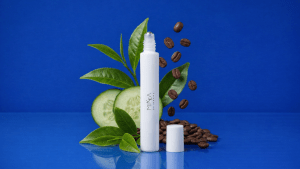
- caffeine to reduce puffiness and improve circulation
- vitamin C to brighten dark circles
- hyaluronic acid to hydrate and plump
- niacinamide to even out skin tone
Lifestyle habits
- quality sleep
- proper hydration
- balanced diet
Small changes can make a big difference.
Quick fixes (instant results)
- cold compresses to reduce puffiness
- gentle massage to improve circulation
These are temporary but effective.
What makes under eye bags worse
- alcohol, which dehydrates the skin
- high salt intake, causing fluid retention
- lack of sleep
- heavy creams that trap fluid
- stress and fatigue
Avoiding these factors is just as important as using the right products.
Which eye cream works best?
The best eye cream for under eye bags depends on the cause. Look for lightweight formulas that absorb quickly and do not overload the delicate eye area.
Key ingredients include:
- caffeine for reducing puffiness
- hyaluronic acid for hydration
- vitamin C and niacinamide for brightening
To support your routine, you can include MIKKA® Day Collagen Cream for overall skin hydration.
FAQ
How to quickly reduce under eye bags?
Cold compresses and hydration can help reduce puffiness quickly.
What is the best cream for under eye bags?
One with caffeine and hyaluronic acid, tailored to your skin type.
Are under eye bags permanent?
It depends on the cause. Genetic or structural ones may be long-term, but their appearance can be improved.
What causes under eye bags?
Genetics, lack of sleep, aging, dehydration, allergies, and lifestyle.
Why do I have under eye bags?
Usually a combination of fatigue, stress, genetics, and thin skin.
What do experts say?
Experts emphasize that identifying the cause is essential. Without understanding why under eye bags appear, it is difficult to achieve visible results.
They also highlight that the best approach is a combination of skincare, active ingredients, and healthy habits.
Conclusion
Under eye bags are a common issue, but the solution depends on the cause and type. When you understand your skin, it becomes much easier to choose the right approach.
Focus on consistent skincare, targeted ingredients, and healthy habits. There is no universal solution, but the right routine can significantly improve the appearance.
Start with a routine that supports hydration and the delicate eye area.
Discover MIKKA® skincare.