
 Slovenščina
 Hrvatski


 Community
Redness on the Face: Causes, Symptoms and How to Reduce It

Redness on the face is a common concern, which is why the question “why is my face red?” comes up so often. The short answer is that it can be caused by sensitive skin, environmental factors, irritation from products, or skin conditions such as rosacea. For some, it appears occasionally, while for others it may be more persistent. In this guide, you will learn the main causes of redness, how to recognize symptoms, and what can help in your daily skincare routine.
Why does redness on the face occur?
It most often appears due to various factors that affect skin sensitivity and its reaction to the environment.
The most common causes are:
- sensitive skin that reacts quickly to external factors
- rosacea, a chronic condition with persistent or recurring redness
- environmental influences such as cold, wind, and sun
- allergies or reactions to certain ingredients
- cosmetic products that are not suited to your skin type
Understanding the cause is key, as it allows you to choose the right care and reduce redness in the long term.
What is redness on the face?
Redness means that the skin becomes visibly red or flushed due to increased blood flow or sensitivity. It can appear as a temporary reaction or as a long-term condition, depending on the cause.
Key differences:
- temporary redness
appears due to factors such as cold, heat, stress, or spicy food and usually fades quickly - chronic redness
lasts longer or recurs frequently, often associated with sensitive skin or conditions such as rosacea - connection to skin inflammation
redness is often a sign that the skin barrier is weakened or that mild inflammation is present, which may be accompanied by burning, itching, or dryness
Understanding whether the redness is temporary or chronic is essential for choosing the right skincare approach.
Most common causes of redness
This issue can have multiple causes and is often the result of a combination of external and internal factors. Understanding them is essential for proper skincare.
Rosacea (common cause)
Rosacea is a chronic skin condition that causes persistent or recurring redness. It most commonly appears on the cheeks, nose, and chin, and may also include visible blood vessels and a sensation of heat in the skin.
Sensitive skin
Sensitive skin reacts quickly to cosmetic products or environmental factors. Common symptoms include burning, redness, and irritation, even when using mild formulas.
Environmental factors
External factors such as wind, cold, and sun can significantly affect the skin barrier. The skin becomes more sensitive, which leads to redness and uneven tone.
Allergies and irritation
Redness may occur as a reaction to cosmetics or certain foods. Irritating ingredients can disrupt the skin’s balance and cause discomfort.
Internal factors
Stress and hormonal changes can affect blood flow and skin response. As a result, redness may appear suddenly or worsen during certain periods.
Different causes mean that the approach to reducing redness should always be individual.
What are the signs of rosacea?
Typical symptoms
The most common signs of rosacea include:
- persistent or recurring redness on the face
- papules and pustules similar to acne
- visible small blood vessels, especially on the cheeks and nose
- a sensation of heat, burning, or tightness in the skin
Types of rosacea
Rosacea can be divided into several types:
- type 1, vascular – redness and visible blood vessels dominate
- type 2, inflammatory – papules and pustules appear
- type 3, phymatous – skin thickening, most commonly on the nose
- type 4, ocular – affects the eyes, causing dryness, irritation, or a gritty feeling
Recognizing the type of rosacea helps you choose the right care and prevent worsening.
Symptoms of redness
Redness rarely appears on its own and is often accompanied by other sensations and visible skin changes.
The most common symptoms include:
- burning sensation, especially in sensitive or irritated skin
- itching, often linked to dryness or allergic reactions
- dry skin, with a feeling of tightness
- breakouts, which may appear due to irritation or inflammation
- swelling, particularly in cases of reactions or fluid retention
These symptoms vary depending on the cause, so it is important to observe how your skin reacts.
What triggers redness?
Skin condition often worsens due to specific triggers that affect blood flow and sensitivity.
The most common triggers are:
- alcohol, which increases blood flow and can cause flushing
- spicy food, which heats the body and triggers redness
- UV rays, which damage the skin barrier and increase sensitivity
- stress, which affects hormonal balance and skin reactions
- heat or cold, as extreme temperatures stress the skin
If you notice a trigger, try to limit or avoid it.
How to reduce redness on the face
To reduce redness, it is important to combine proper skincare, protection, and trigger avoidance. A consistent routine can help calm the skin and improve its appearance.
Proper skincare
The foundation is gentle care that does not further irritate the skin.
- use gentle cleansers without harsh ingredients
- avoid products with alcohol and strong fragrances
- choose lightweight formulas that do not burden the skin barrier
Use of SPF
Sun protection is essential.
- use SPF daily, even in winter
- choose mineral sunscreens, which are often better for sensitive skin
Avoiding triggers
Once you identify what irritates your skin, try to avoid it. This may include weather conditions, stress, diet, or certain products.
Soothing ingredients
Choose products with ingredients that help calm the skin:
- niacinamide to reduce redness
- aloe vera to soothe and cool the skin
- ceramides to strengthen the skin barrier
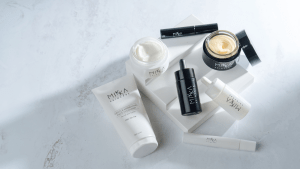
If you want a routine that supports sensitive skin and helps reduce redness, choose gentle and balanced skincare.
Discover MIKKA® skincare.
When to see a dermatologist?
Although mild redness can often be managed with proper care, in some cases it is best to seek professional help.
Visit a dermatologist if:
- redness persists for a long time and does not improve
- the condition worsens or appears more frequently
- pain or inflammation occurs
Early treatment can help prevent worsening and allow for a more targeted approach.
Frequently Asked Questions (FAQ)
Is redness always rosacea?
No. Redness can also be linked to sensitive skin, environmental factors, or reactions to products.
How quickly can redness be reduced?
It depends on the cause. In cases of irritation, it may improve within a few days with proper care.
Do creams for redness help?
Yes, especially if they contain soothing ingredients such as niacinamide, aloe vera, or ceramides.
What do experts say?
Experts emphasize that redness is often linked to sensitive skin or conditions such as rosacea. Understanding the cause is essential, as the approach differs depending on whether it is temporary or chronic.
They also highlight that the greatest impact comes from proper, gentle skincare combined with daily protection. Consistent use of suitable products and avoiding triggers can help calm the skin over time.
Conclusion
Redness is a common issue with many possible causes, from sensitive skin to rosacea or environmental factors. There is no single solution, which is why an individual approach is key.
When you understand what triggers your skin and how it reacts, it becomes much easier to choose the right care and reduce redness. Focus on a gentle routine, soothing ingredients, and protection, as consistency is what brings the most stable results.